Buying a Condo in Cabarete: A Step-by-Step Guide for Foreign Buyers
How to buy a condo in Cabarete as a foreigner: the steps from offer to title, closing costs, HOA fees, CONFOTUR and the checks that protect you.
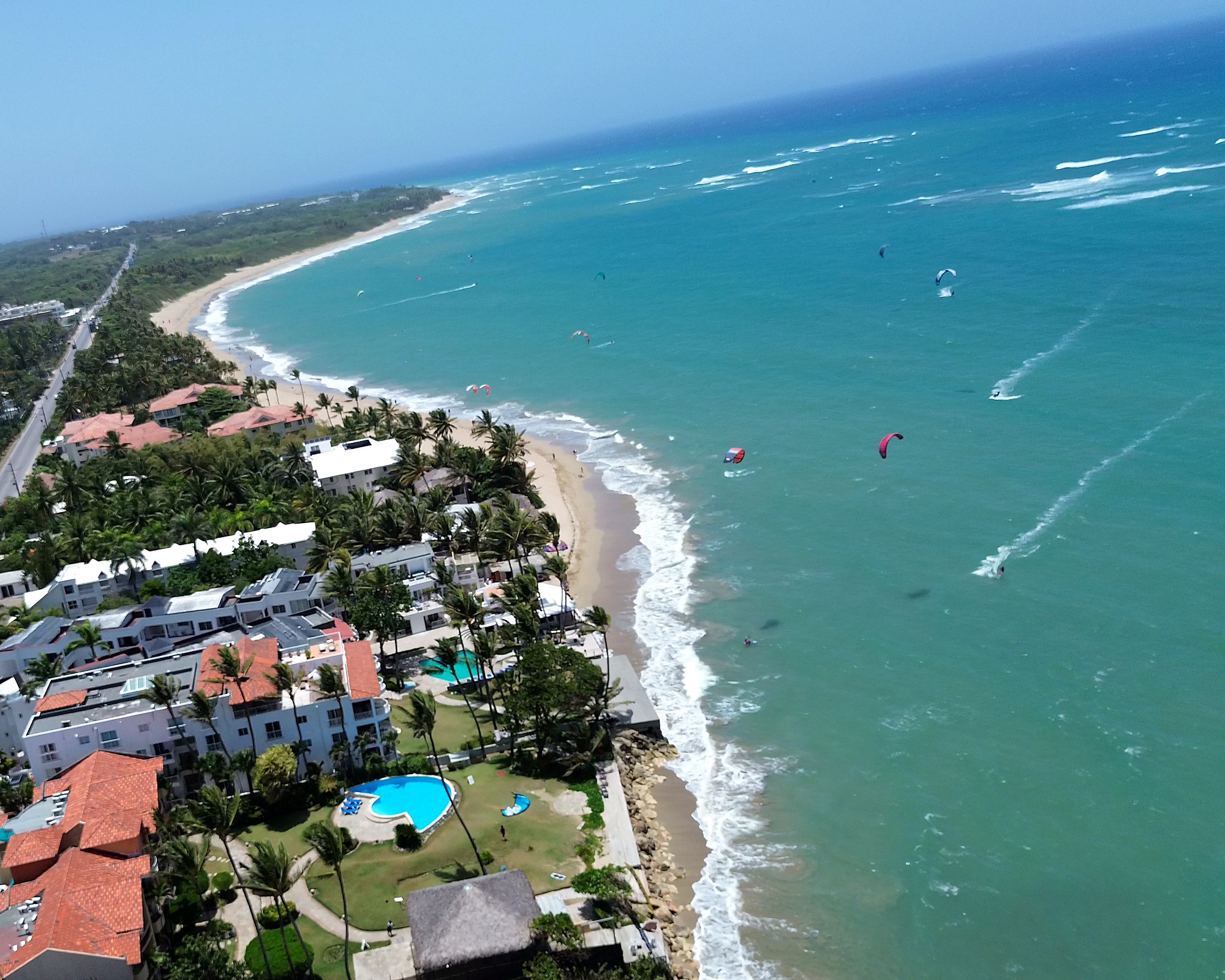
Cabarete is the Dominican Republic's kitesurfing capital and one of the most sought-after places on the North Coast to own a condo, whether as a holiday home, a place to live or an investment. The good news: buying here as a foreigner is straightforward when it's done properly. Here's how the process works, what it costs and what to check before you sign.
Why buy a condo in Cabarete?
- Beach and lifestyle: a long, palm-lined bay with world-class kitesurfing and windsurfing, restaurants on the sand and an international community.
- Low maintenance: security, pools and gardens are handled by the building, which suits part-time owners.
- Easy access: Puerto Plata's international airport is about 20–25 minutes away.
- Choice: from studios in the village to beachfront penthouses and new developments east of town.
See condos for sale in Cabarete.
Step 1: Set your budget and goals
Decide early whether the condo is mainly for you, mainly for income or both, because that changes the best location and building. Add closing costs (around 4–6%), furniture if it isn't included, and the monthly maintenance fee to your numbers. If you're financing, speak to lenders before you start viewing.
Step 2: Shortlist and view
A local agent can narrow the market quickly and show you buildings in person or by video call if you're abroad. Compare the things that don't show in photos: noise from the main road, how the building is managed, the state of the common areas, backup power, water supply and parking.
Step 3: Make an offer
Offers are usually made in writing through your agent. Price, what furniture is included, the closing date and any conditions (such as a satisfactory title check) are all negotiable.
Step 4: Promise of Sale and deposit
Once your offer is accepted, the lawyer prepares the Promesa de Venta (Promise of Sale), the first binding contract. It sets the price, payment terms and closing date. A deposit of about 10% is typical. Make sure the contract includes a due-diligence period and says your deposit is returned if the title or paperwork turns out to have problems, and ideally that the deposit is held in escrow rather than paid straight to the seller.
Step 5: Due diligence — the step that protects you
Your own lawyer (not the seller's) should check, at minimum:
- The Certificate of Title at the Title Registry (Registro de Títulos), confirming the seller owns the unit.
- A recent certificate of legal status showing no mortgages, liens or court annotations.
- That the seller is up to date on the annual property tax (IPI).
- The condominium regulations, the approved plans and a letter from the administration confirming maintenance fees are paid up — in the DR, unpaid condo fees stay with the unit.
- That the unit's size, number and parking match what you're buying.
Every purchase through The Crest Group Dominicana is supported by DR Legal Shield, our in-house legal partner, which handles these checks, the contract and the closing.
Step 6: Final contract and payment
When the checks are clear, buyer and seller sign the final contract of sale before a notary (in the DR, notaries are lawyers) and the balance is paid. If you can't be there, you can sign through a power of attorney.
Step 7: Transfer tax and title registration
The buyer pays a one-time 3% transfer tax to the tax authority (DGII), calculated on the higher of the contract price or the government's appraised value. The lawyer then files the documents at the Title Registry, and a new Certificate of Title is issued in your name, typically within 30–90 days. Registration is what makes you the legal owner, so don't skip it.
What does it cost?
| Cost | Typical amount | Paid by |
|---|---|---|
| Transfer tax | 3% of price or appraised value (whichever is higher) | Buyer |
| Legal fees | About 1% of the price | Buyer |
| Notary, registration and stamps | A few hundred dollars | Buyer (usually) |
| Total closing costs | Around 4–6% of the price | |
| Condo maintenance (HOA) fee | Often US$100–500+ a month, depending on the building | Owner |
| Annual property tax (IPI) | 1% of the value above a yearly threshold set by DGII | Owner |
General guidance only. DR Legal Shield will confirm the exact figures for your purchase.
New developments and CONFOTUR
Some new projects are certified under the CONFOTUR tourism law (Law 158-01). Qualifying buyers can be exempt from the 3% transfer tax and from the annual IPI for a number of years, which can add up to real savings. If you buy off-plan, also check the developer's track record, that payments are tied to construction milestones, and what happens if the project is delayed.
Personal name or company?
You can hold the title in your own name or through a Dominican company (SRL). Each option has different tax and inheritance consequences, so decide with your lawyer and accountant before closing.
Quick checklist before you sign
- Your own independent lawyer, not the seller's
- Deposit held in escrow, refundable if the title check fails
- Clean title and certificate of legal status
- Property tax and condo fees paid up to date
- Condo regulations read, including the rules on rentals and pets
- Backup power and water arrangements confirmed
- Closing costs and monthly fees in your budget
Sources
- DRListings – How to buy property in the Dominican Republic as a foreigner
- DRListings – Escrow and the Promise of Sale
- DRListings – Dominican Republic property taxes
- Global Property Guide – Buying guide: Dominican Republic
- DR Lawyer – Real estate and condominium law
Looking for property on the North Coast?
Tell us what you're after and a local advisor will send you options that fit your budget.