Cost of Living in Sosúa, Dominican Republic (2026 Guide)
What it really costs to live in Sosúa in 2026: rent, electricity, groceries, getting around and sample monthly budgets for singles, couples and retirees.
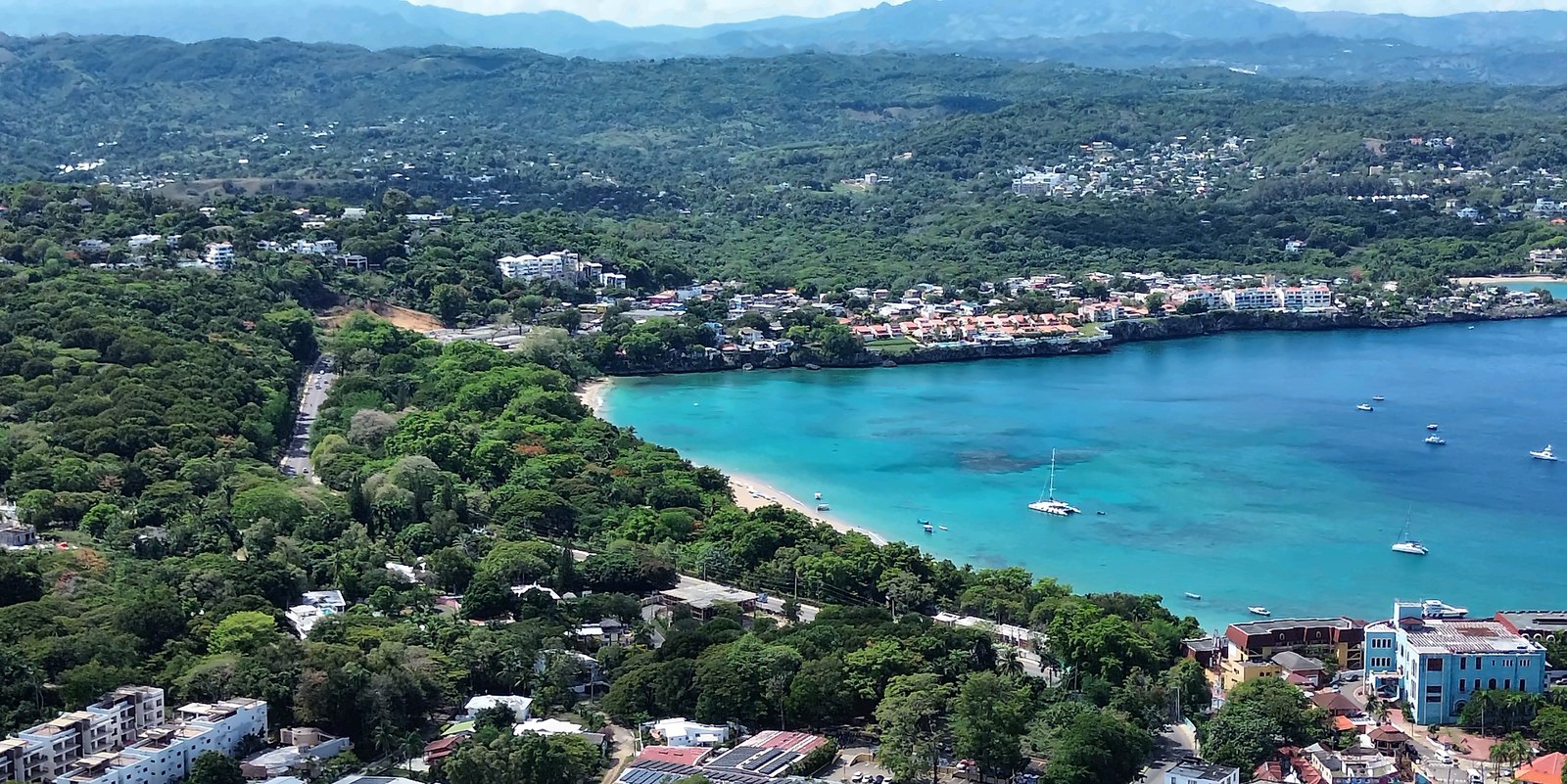
Sosúa is one of the most popular places on the Dominican Republic's North Coast for expats, retirees and remote workers, and one of the first questions we hear is simple: how much does it cost to live here? The honest answer is that it depends on how you live. This guide gives you realistic ranges for 2026 and the costs newcomers often forget.
Monthly costs at a glance
| Expense | Typical range (USD / month) |
|---|---|
| 1-bedroom apartment, central Sosúa | $450 – $900 |
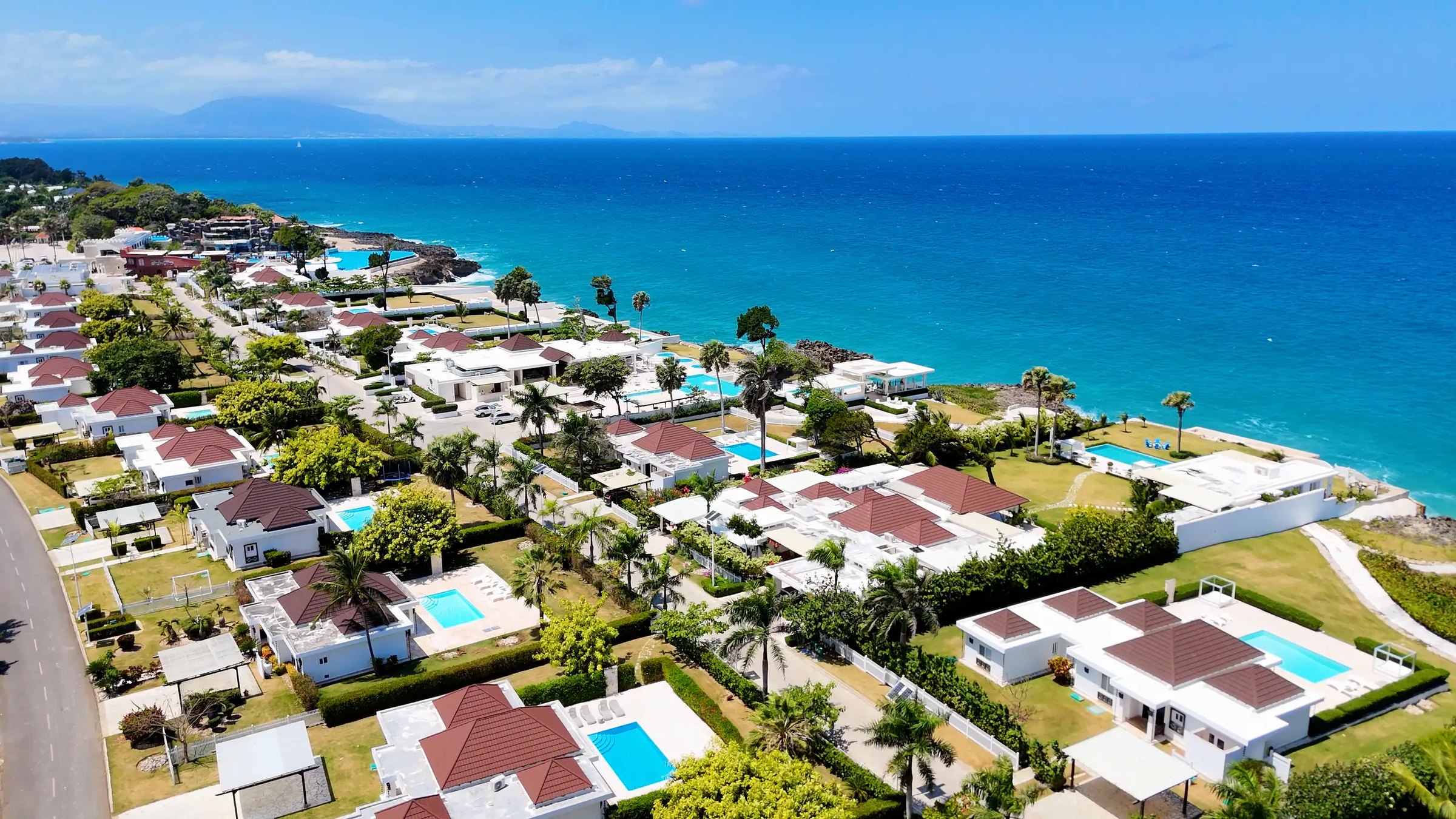
| 2–3 bedroom villa in a gated community | $1,000 – $2,500+ |
| Electricity, light A/C use | $40 – $80 |
| Electricity, heavy A/C use | $150 – $300 |
| Home internet (fibre) | $35 – $60 |
| Groceries for one (mixed local and imported) | $250 – $450 |
| Getting around (motoconchos, taxis or fuel) | $40 – $200 |
| Private health insurance | Varies by age and plan — get quotes |
Ranges compiled from published 2026 cost-of-living data and our local experience. Prices change with the season, the exchange rate and your choices.
Housing: renting vs. buying
Rent is the biggest line in most budgets. Cost-of-living trackers put a one-bedroom in the centre of Sosúa at roughly US$470 a month, while Cabarete, a few minutes east, runs closer to US$700. Furnished apartments near the beach and anything inside a gated community with pools and security cost more, and short-term holiday rates are much higher than long-term leases.
Many people rent for a few months first, then buy once they know which area suits them. Buying can make sense if you plan to stay: there's no residency requirement, foreigners have the same ownership rights as Dominicans, and the money you'd spend on rent goes into an asset. Owners in gated communities also pay a monthly maintenance (HOA) fee for security, gardens and shared pools, so factor that in when comparing.
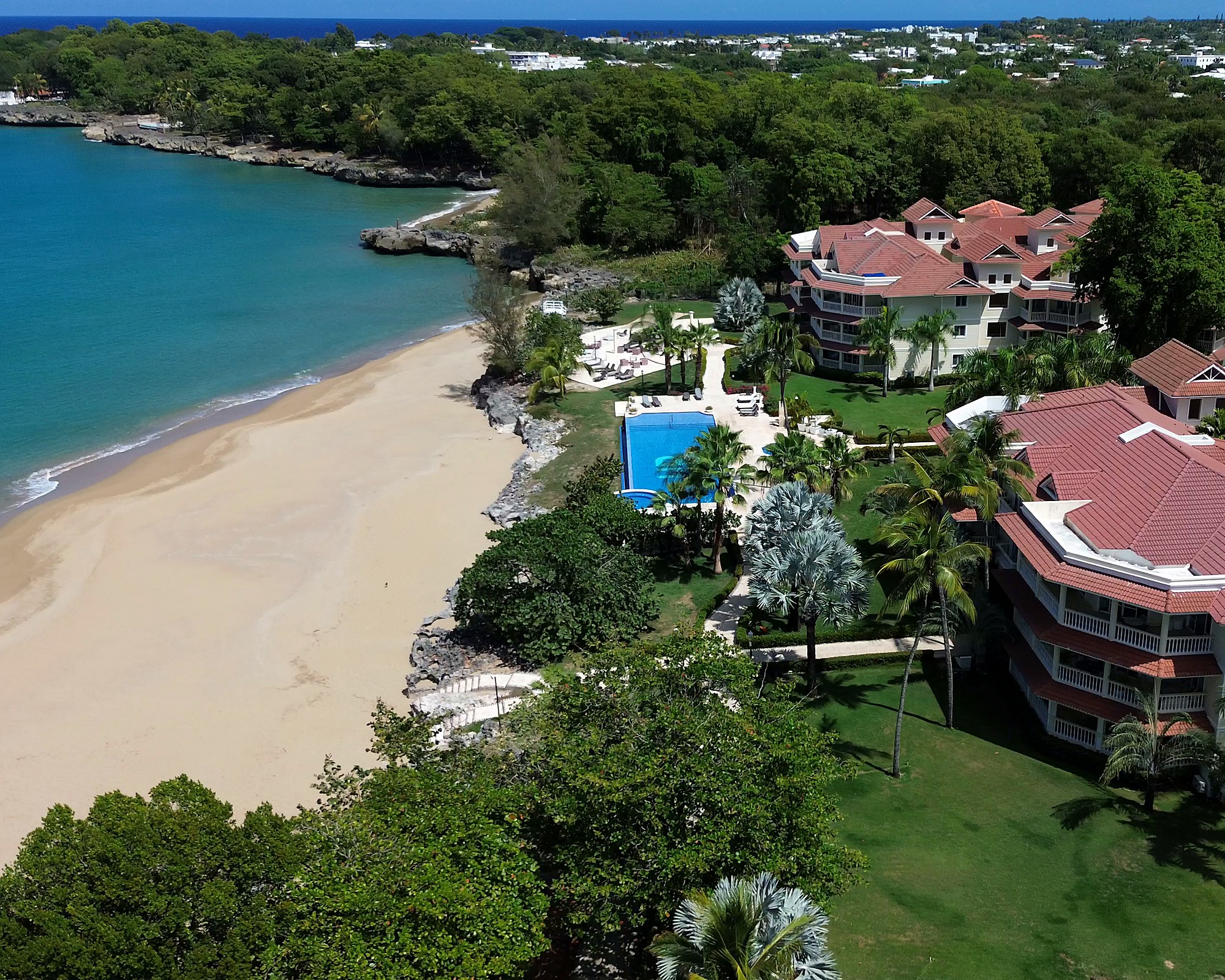
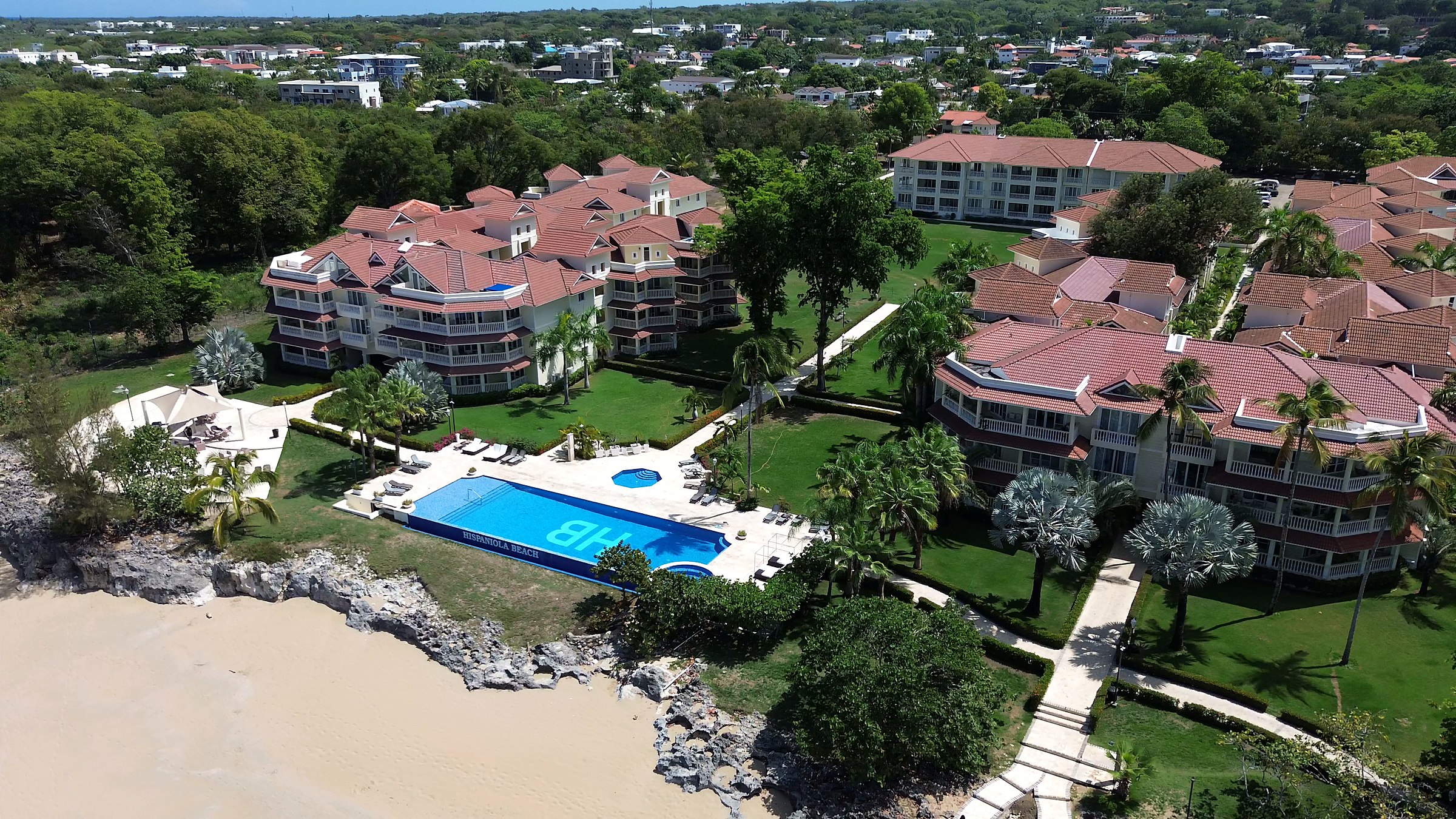
Compare Sosúa's gated communities or browse homes for sale in Sosúa.
Electricity: the cost that surprises people
Power is the line item that catches newcomers out. Rates are stepped, so the more you use, the more each kilowatt-hour costs, and air conditioning is what drives a bill up. Running A/C sparingly keeps most bills under US$100; running it day and night in a large villa can push it past US$300. The government has also been phasing out electricity subsidies, with rates reviewed every few months, so budget a little extra.
Power cuts still happen on the North Coast, which is why many homes have an inverter with batteries or a backup generator, and why solar panels are increasingly common. When you view a property, ask what backup it has — it makes a real difference to daily comfort.
Groceries and eating out
How you shop matters more than where. Fresh fruit, vegetables, rice, beans, eggs and local coffee from colmados and markets are inexpensive. Imported brands from North America and Europe in the larger supermarkets can cost as much as, or more than, back home. A single person mixing local and imported goods typically spends US$250–450 a month.
Eating out ranges from a plate of rice, beans and meat at a local comedor for a few dollars, to beachfront restaurants with prices close to those in the US or Canada. Cost-of-living surveys put a mid-range dinner for two in the area at around US$50.
Getting around
Sosúa is compact. Motoconchos (motorbike taxis) and guaguas (shared minibuses that run along the coast road to Cabarete and Puerto Plata) are cheap. Many residents buy a car or scooter; fuel costs are similar to or higher than in the US, so expect US$100–200 a month if you drive daily. Puerto Plata's international airport (POP) is only about 15 minutes away, which makes trips home easy.
Healthcare
Sosúa has private clinics, pharmacies and dentists, and larger private hospitals are in Puerto Plata and Santiago. Private care costs far less than in the US, but most expats still carry international or local private health insurance. Premiums depend heavily on age and cover, so get quotes before you budget.
Sample monthly budgets
| Lifestyle | What it looks like | Budget (USD / month) |
|---|---|---|
| Modest, single | Simple 1-bed outside the centre, little A/C, local food, public transport | $1,000 – $1,400 |
| Comfortable, single | Modern 1-bed with A/C, eating out a few times a week, scooter or car | $1,800 – $2,800 |
| Comfortable couple / retirees | 2-bed in a gated community, car, insurance, regular dining out | $2,200 – $3,500 |
Five ways to keep costs down
- Choose a home built for the climate: cross-ventilation, shade and ceiling fans cut A/C use.
- Ask about backup power and solar before you rent or buy.
- Shop like a local for fresh food and save imported brands for treats.
- Rent long-term, not by the night, while you get to know the area.
- Consider buying if you'll stay several years: no residency is needed and you build equity instead of paying rent.
Is Sosúa expensive?
Compared with most of North America and Europe, no. Overall living costs in the Dominican Republic are roughly 40% lower than in the US, with rent much lower still. Sosúa is a little pricier than the Dominican average because of its international community and beach-town lifestyle, but it remains good value for what you get: the beach, sunshine all year and an easy flight home.
Sources
- DRListings – Cost of living in the Dominican Republic (2026)
- Western Union – Dominican Republic cost of living vs. the US (2026, Numbeo data)
- CityCost – Cost of living in Sosúa
- Expat.com – Electricity rates and the subsidy reform
Looking for property on the North Coast?
Tell us what you're after and a local advisor will send you options that fit your budget.