Getting Residency in the Dominican Republic by Buying Property
How a US$200,000 property purchase can qualify you for Dominican residency, plus the retiree and rentista routes, costs and what to prepare.
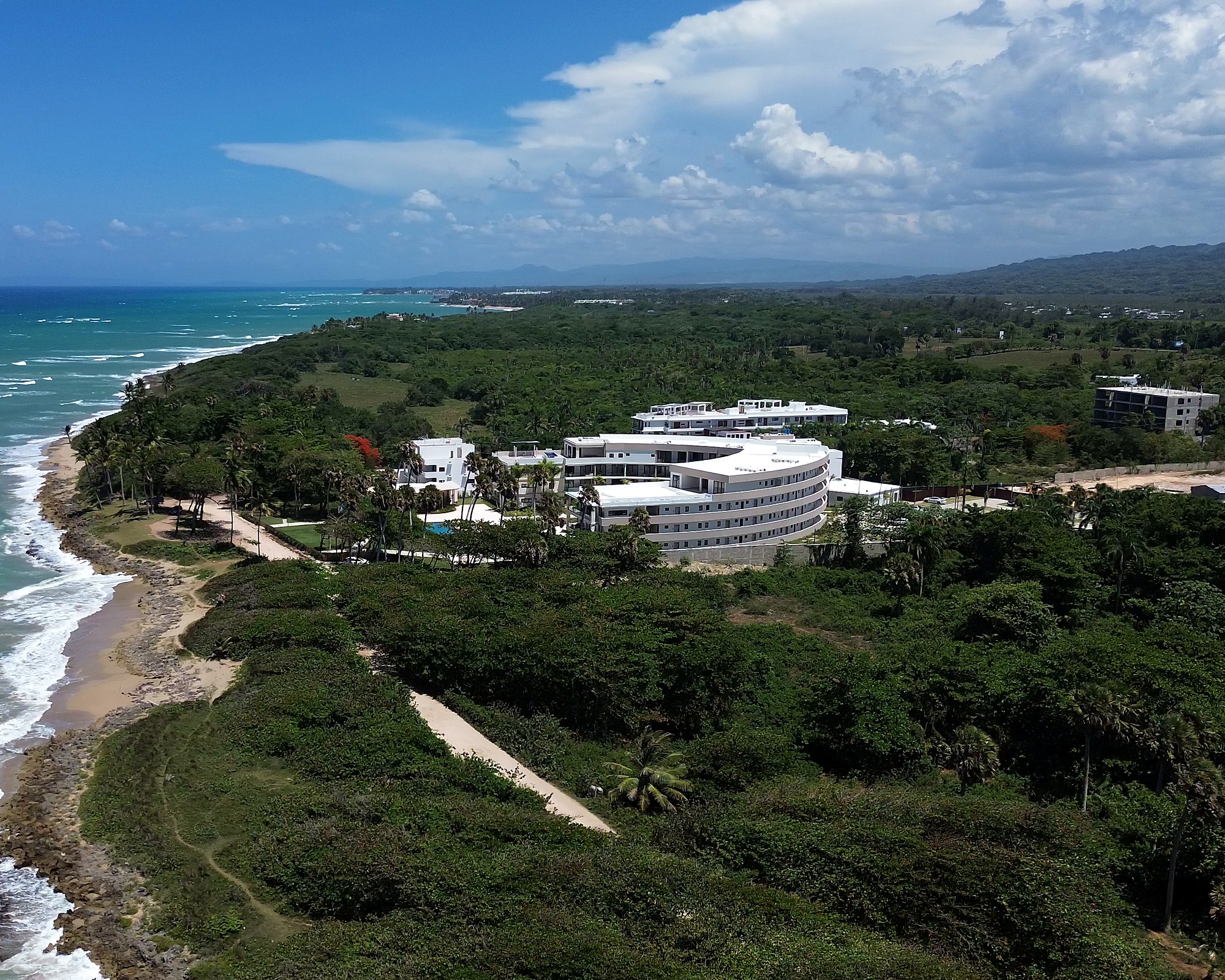
Many of our clients buy a home on the North Coast and then want to stay longer than a tourist visit allows. The Dominican Republic has some of the most accessible residency routes in the Caribbean, and one of them is linked directly to buying property. Here's how the main options work in 2026.
First: you don't need residency to buy
Foreigners can buy and own property in the Dominican Republic with the same rights as Dominicans, as tourists, without any residency. Residency is about living here, not owning here. Many owners simply visit on tourist entries; others apply for residency for convenience, longer stays or tax reasons.
Route 1: Residency by investment (US$200,000)
The investor category is the route most directly connected to buying property. The minimum qualifying investment is US$200,000, which can be in real estate, a Dominican company or certain financial investments. Key points:
- The money must come from abroad and the investment must be registered and certified as foreign investment (through ProDominicana). Promises or reservations don't count.
- Get the structure right from the start: some advisers recommend making the purchase in a way that can be registered as a foreign investment, so plan this with your lawyer before closing.
- The first residency card is typically valid for one year, then renewed for longer periods.
- Investor residency can also shorten the waiting time if you later want to apply for Dominican citizenship.
Route 2: Retiree (pensionado)
Under Law 171-07, you can apply as a retiree if you receive a foreign pension of at least US$1,500 a month, plus US$250 a month for each dependent. There is no minimum age. Buying a home here isn't required, but most pensionados end up owning one.
Route 3: Rentista (passive income)
If you're not retired but have stable income from abroad, such as dividends, rental income or royalties, the rentista route asks for at least US$2,000 a month, again plus US$250 per dependent. It works on the same Law 171-07 framework as the retiree route.
What does it cost and how long does it take?
Government fees for the application and residency card are a few hundred dollars each. Once you add document apostilles, translations, police certificates, the medical exam and legal help, budget roughly US$4,000–6,500 for the first year, according to recent 2026 estimates. Timelines depend on how quickly you gather documents; plan on several months.
Documents to start gathering
- Passport valid for well over a year, and birth certificate
- Criminal record certificate from your home country (apostilled)
- Proof of income (pension or passive income) or proof of the investment
- Marriage certificate for a spouse, birth certificates for children
- Translations into Spanish of anything not already in Spanish
How we help
We'll help you find a property that fits both your life and your residency plans, and DR Legal Shield, our in-house legal partner, can guide you through the purchase and the residency application. Immigration rules change, so always confirm the current requirements with your lawyer before you apply.
General information only, not legal advice. Requirements and fees are set by the Dominican immigration authorities and can change.
Sources
- Rio Times – Moving to the Dominican Republic in 2026
- Rio Times – Law 171-07 pensionado track
- Ministerio de Hacienda – Law 171-07 (PDF)
- FC Abogados – Residency through real estate investment
Looking for property on the North Coast?
Tell us what you're after and a local advisor will send you options that fit your budget.